Pool Leak Detection & Repair in Upland, CA
A pool that's losing more water than evaporation explains usually has a leak somewhere in the shell, the plumbing lines, or the equipment pad, and each needs a different test to find.
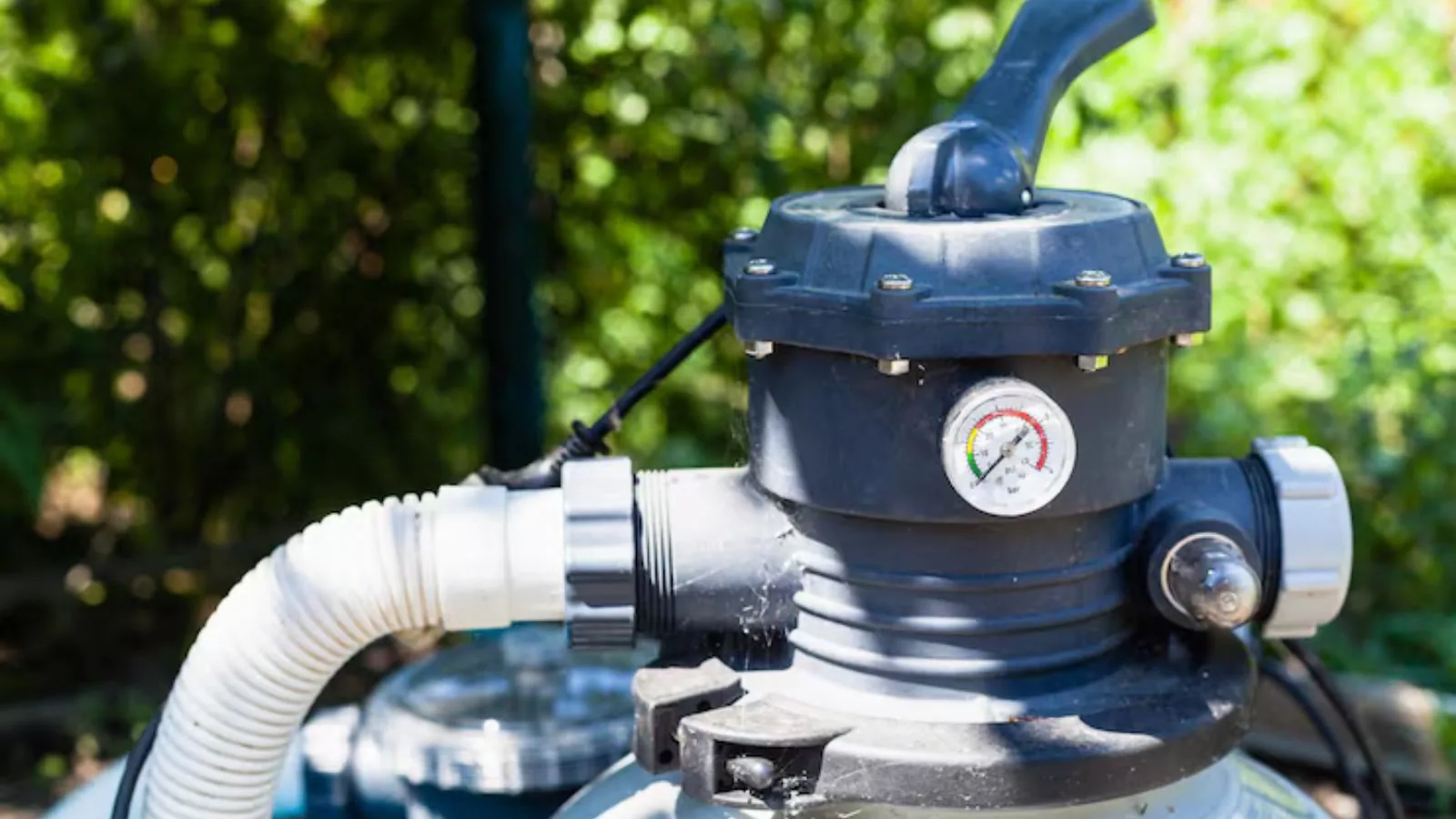
Pools in hillside neighborhoods like San Antonio Heights and larger-lot properties around Upland Hills Country Club are common enough that pool plumbing leaks are a real, distinct call from standard household leak detection. The diagnostic approach differs because a pool leak could be in the shell itself, the underground plumbing lines, or the pump and filter equipment.
We test each system in sequence, a bucket test to confirm water loss beyond evaporation, then dye testing at likely shell locations, then pressure testing the plumbing lines, before recommending any repair.
Where Pool Leaks Usually Start
Plumbing line leaks are the most common category we find, particularly at fittings and returns where the underground pipe connects to the pool shell, since these joints are the weakest point in an otherwise sound system.
Equipment pad leaks, at the pump, filter, or heater connections, are often the easiest to spot visually and the quickest to repair once identified.
Shell leaks, cracks or gaps in the pool's structure itself, are less common but more involved to repair, and dye testing is the most reliable way to confirm one without draining the pool unnecessarily.
Signs Your Pool Has A Leak
Losing More Than An Inch Of Water Per Week
Typical evaporation is much less than this in most conditions, especially outside peak summer heat.
Wet Spots Or Soggy Ground Near Equipment
Often points to an equipment pad or nearby plumbing leak.
Air Bubbles In Return Lines
Can indicate a suction-side plumbing leak pulling in air.
Cracks Visible In The Pool Shell Or Deck
Worth having tested even without confirmed water loss yet.
Pool Losing Water Fast?
We test the shell, plumbing, and equipment before quoting any repair.
How We Diagnose It
Bucket Test
Confirm water loss is beyond normal evaporation.
Dye Test
Check likely shell locations for a visible leak.
Pressure Test
Isolate and test each plumbing line separately.
Repair
Fix the confirmed source with the least disruptive method available.
Ruling Out Evaporation First
A simple bucket test at home can help confirm whether you're dealing with a real leak before scheduling a professional diagnosis.
What to do before you call
- Place a bucket on the pool step, filled to match the pool's water level
- Mark both the bucket's water line and the pool's water line
- Check again after 24 hours. If the pool has dropped more than the bucket, it's a real leak
- Note whether the pump was running during the test, since suction leaks show differently when off
What Pool Leak Detection & Repair Costs In Upland
Exact quote after inspection, before any work begins.
Pool leak detection and repair is generally considered maintenance and is not covered by homeowner's insurance.
Common Questions
How much water loss is normal from evaporation?
Typically a quarter to half an inch per week depending on weather, less than what a real leak usually causes.
Can you find a leak without draining my pool?
In most cases yes. Dye testing and pressure testing the plumbing lines don't require draining, though some shell repairs may need a partial drain.
Is it my pool's plumbing or the equipment?
Pressure testing isolates each line separately, which tells us definitively whether the issue is in the underground plumbing or at the equipment pad.
Do you repair the pool shell itself?
We diagnose and can handle common shell repairs. For extensive structural resurfacing work, we can refer you to a specialist if needed.