Emergency Water Damage Restoration in Upland, CA
Once water has already damaged flooring, drywall, or belongings, the priority shifts from fixing the source to drying the structure and preventing mold. That is a different job from plumbing repair, and it needs its own response.
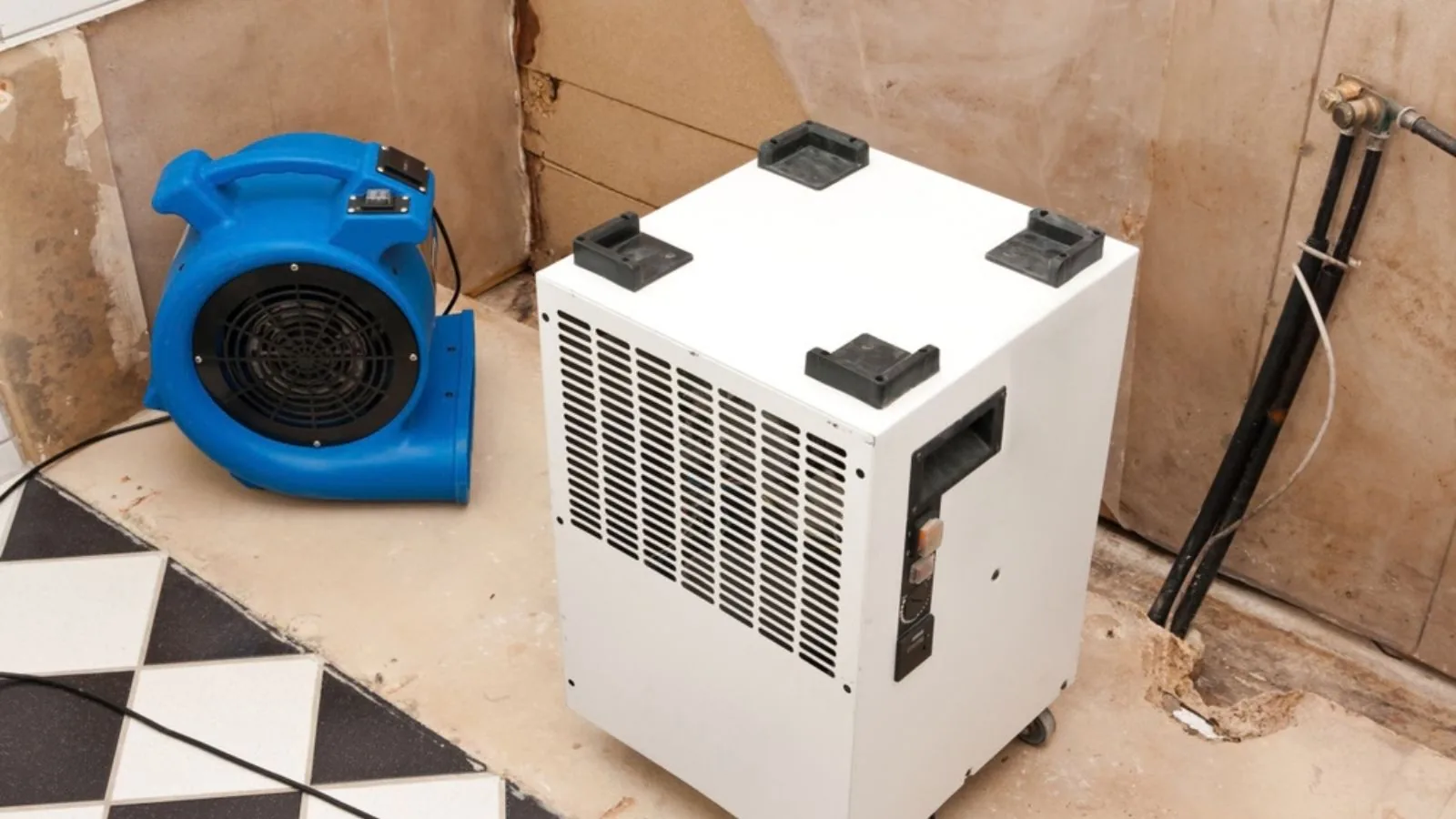
Water damage restoration is the cleanup and drying process after water has already affected a structure, not the plumbing repair that stopped the source. If a pipe burst and water has soaked flooring, drywall, or a ceiling, restoration addresses the aftermath while a separate plumbing repair fixes the actual pipe.
The first 24 to 48 hours after water intrusion matter most for preventing mold growth, which is why our response line for this specific service runs around the clock.
Common Water Damage Sources In Upland Homes
A burst supply line, a failed water heater, or an overflowing fixture are the most common triggers we see. In older homes near downtown Upland and North Upland, aging copper and galvanized lines are more likely to fail suddenly rather than showing gradual warning signs.
Hillside properties in San Antonio Heights sometimes see water intrusion from surface drainage during heavy rain, in addition to plumbing-related sources, which changes where the water pools and how drying equipment needs to be positioned.
Our drying process follows IICRC S500 water damage restoration guidelines, the published industry standard for structural drying, moisture monitoring, and determining when a space is dry enough to close out.
What To Do Before We Arrive
Shut Off The Water Source
If the water is still actively coming from a plumbing failure, shut off the main or the fixture's supply valve if it's safe to reach.
Remove Valuables From The Area
Move anything that can be safely relocated away from standing water.
Avoid Electrical Areas
Do not enter a room with standing water near outlets or electrical panels.
Photograph The Damage
Useful documentation for an insurance claim before cleanup begins.
Water Damage Happening Right Now?
Our restoration line runs 24/7 for exactly this.
How Restoration Works
Assess
Identify the extent of water intrusion and affected materials.
Extract
Remove standing water with pumps and extraction equipment.
Dry
Industrial drying equipment placed to fully dry the structure.
Document
Full documentation provided for insurance purposes.
Working With Your Insurance Claim
Most homeowner's policies cover sudden water damage, such as a burst pipe, though coverage for gradual leaks or flood-related water can vary. We document the damage and drying process in a form insurers typically expect.
We do not make claims about mold health effects. If mold is found during drying, that is a separate conversation with a specialist and, where relevant, your physician.
Keep receipts for any temporary lodging or emergency repairs made before we arrive, since many policies reimburse reasonable emergency expenses incurred to prevent further damage. A dated photo timeline also helps if the claim is disputed later.
What Water Damage Restoration Costs In Upland
Exact quote after inspection, before any work begins.
Coverage depends on your specific policy and the cause of the water damage. We provide documentation to support your claim regardless of coverage outcome.
Common Questions
Is this the same as fixing the leak or burst pipe?
No. This service covers drying and restoring the structure after water damage. The plumbing repair that stopped the source is a separate service.
How fast do you respond?
Our water damage line is answered 24/7, and getting drying equipment in place within the first day significantly reduces mold risk.
Will my insurance cover this?
Often yes for sudden events like a burst pipe, though every policy differs. We document everything to support your claim.
Do you test for mold?
We watch for visible mold during the drying process and can refer you to a mold specialist if needed. We do not make health claims about mold exposure.
How long does the drying process usually take?
Most residential jobs take three to five days with equipment running continuously, though the exact time depends on how much material absorbed water before we arrived.